Fisheries: The Good, The Bad and The Ugly
Orange Roughy (Hoplostethus atlanticus) is a fishery that can be found in New Zealand where the fish are caught using bottom trawls. These fish live in the deep ocean, specifically seamounts and deep-sea coral reefs.

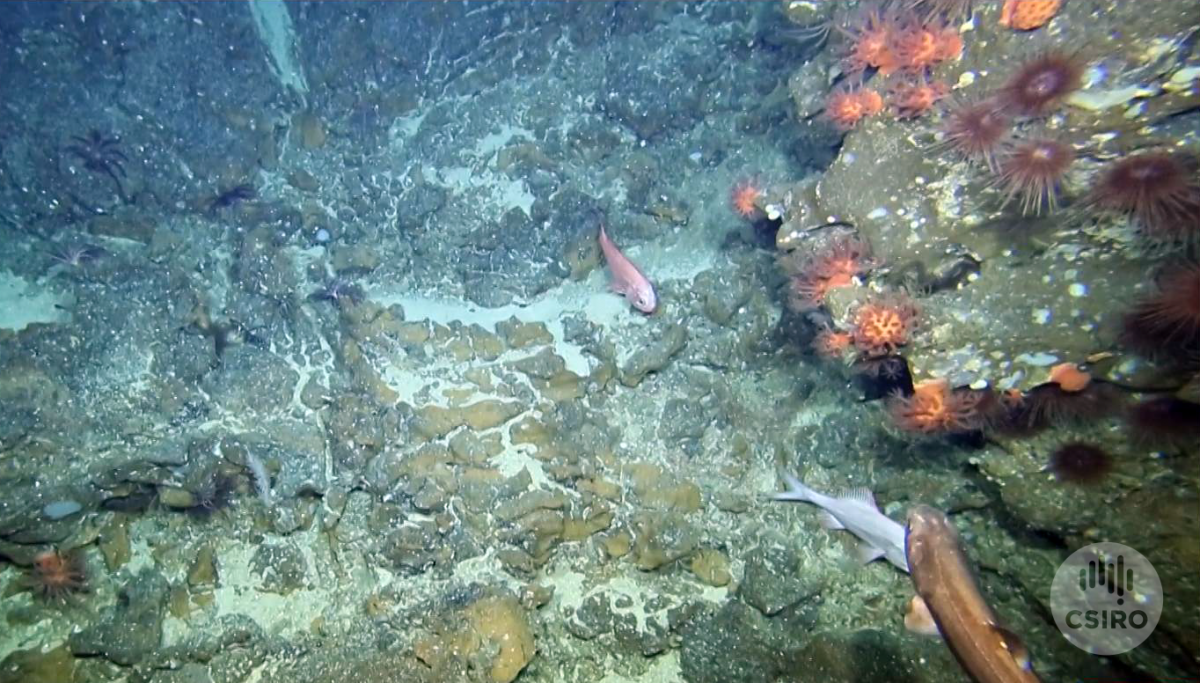 There are currently Benthic Protection Areas but they do not cover a large amount of the orange roughy’s habitat. Within all of criterion 3, which is management effectiveness, is in the category of good alternative. Some good alternatives can be found in the criterion 1 category which is the impacts on the species. According to SeafoodWatch.com sustainable seafood is defined as, “. . . originating from sources, whether fished or farmed, that can maintain or increase production in the long-term without jeopardizing the structure or function of affected ecosystems”. This fish wouldn’t be considered sustainable though because although this is a better option there are still concerns on how they fish are caught. There is currently only one best choice or well managed area within the fish industry.
References
Maguire, Kylie. “Immersed in My Own Blue Planet, at a Fair Roll of 21.6°.” MARINE BIODIVERSITY HUB, Marine Biodiversity Hub, 9 Dec. 2018, www.nespmarine.edu.au/immersed-my-own-blue-planet-fair-roll-216%C2%B0.
Woolmer, Andy, and Jess Woo . “Monterey Bay Aqaurium Seafood Watch: Orange Roughy.” Seafoodwatch, Monterey Bay Aquarium, 21 July 2014, www.seafoodwatch.org/-/m/sfw/pdf/reports/o/mba_seafoodwatch_orangeroughyreport.pdf.


Comments
Post a Comment